
Electronic Locks & Intelligent Key Systems
Control access, manage permissions and track activity with electronic locking systems designed for commercial, industrial and high-security environments. Explore intelligent-key, CLIQ and Bluetooth-enabled solutions from Medeco, ABLOY and Cobra Lock.
Electronic Access Built Around Your Operation
Electronic locking systems provide stronger control over credentials while adding capabilities that traditional mechanical keys cannot provide, including audit history, scheduled access and rapid permission changes.
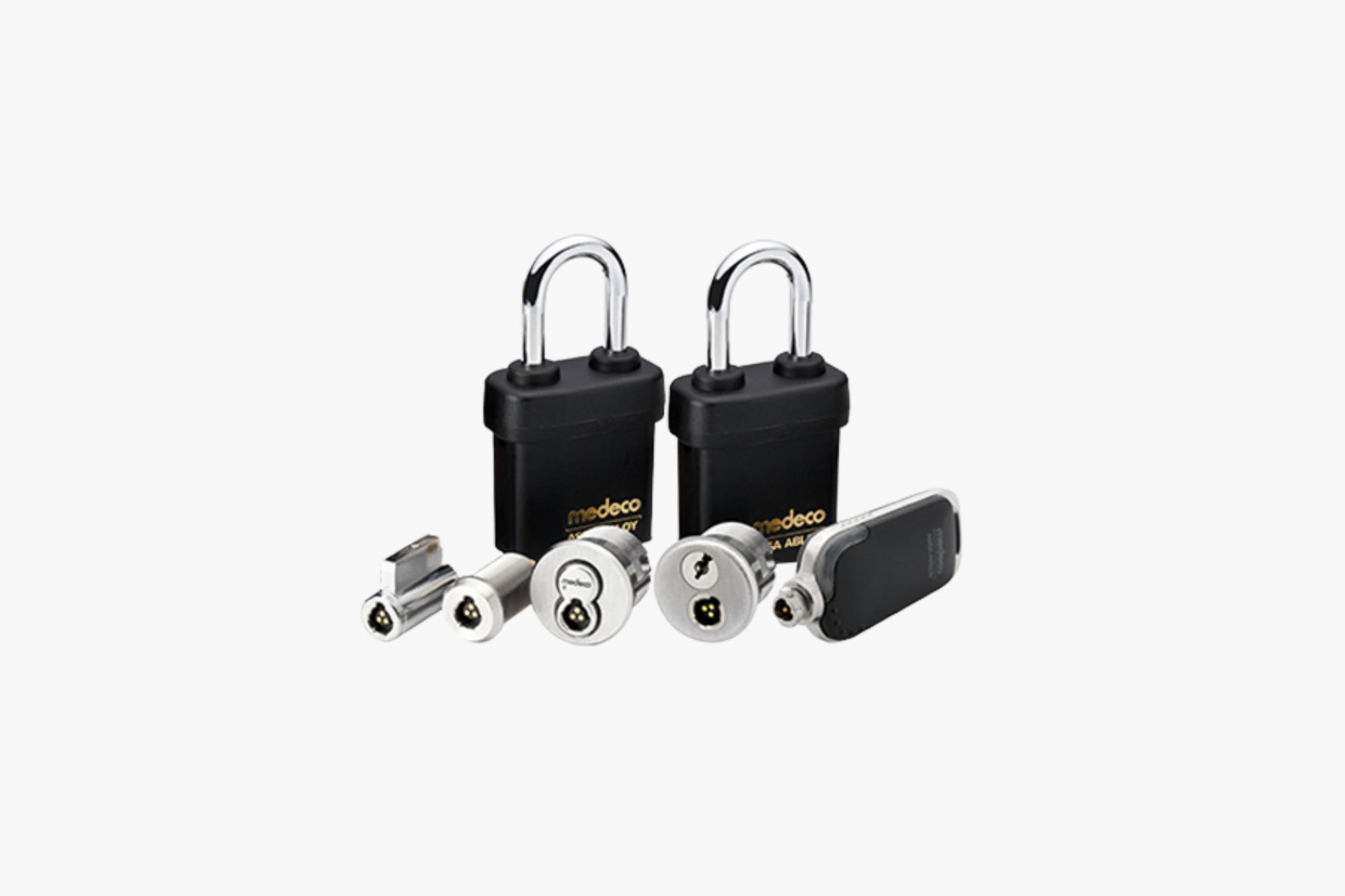
Medeco XT Intelligent Key System
An electronic locking platform that places power and access intelligence in the key, allowing organizations to add electronic access control without wiring each lock.
- User-specific access permissions
- Scheduled access by time and location
- Audit trails for access events
- Key-powered locks require no lock wiring
- Indoor and outdoor lock formats
- Multiple programming and management options
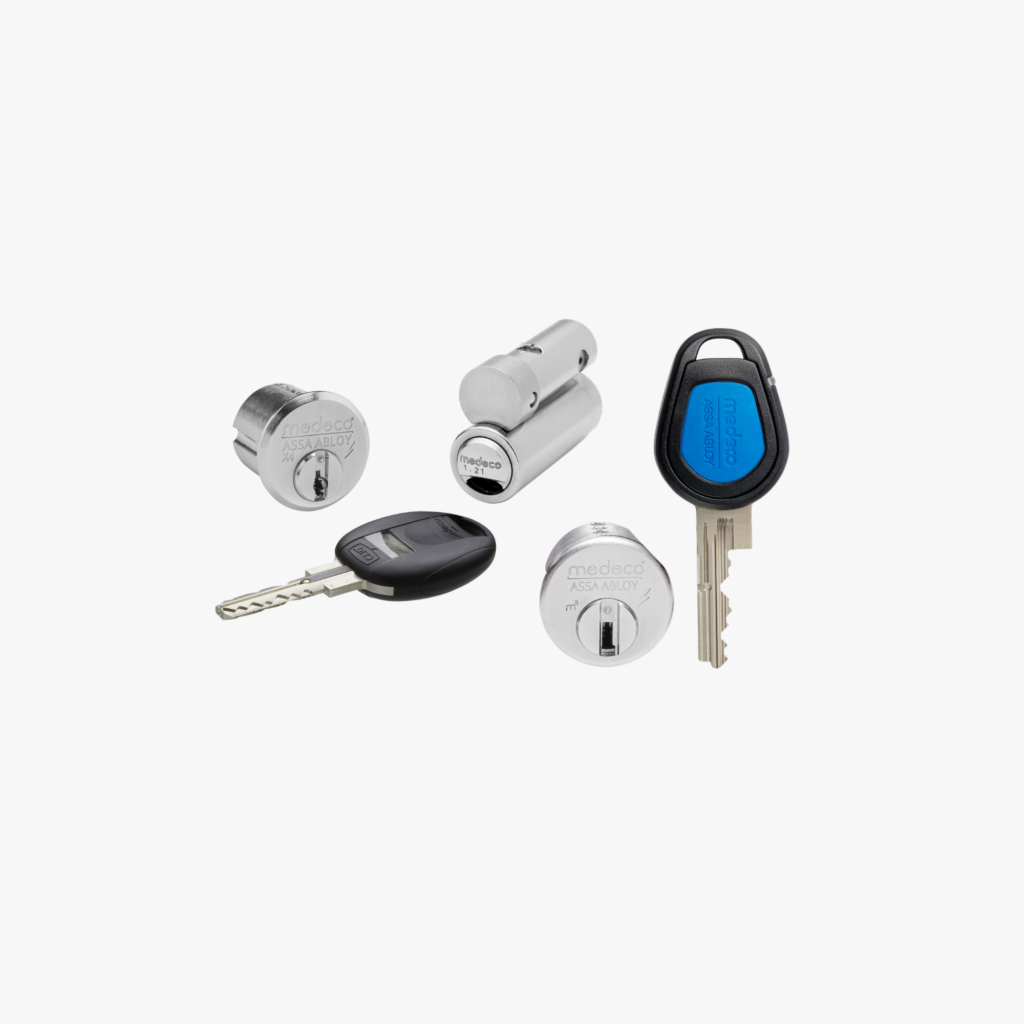
Medeco M³ & X4 CLIQ
A hybrid electronic access system that combines Medeco mechanical key security with programmable electronic permissions and audit capabilities.
- Electronic audit trails
- User-specific access schedules
- Remote credential reprogramming
- Retrofit installation without lock wiring
- Compatible with selected Medeco systems
- RFID and PROX options for supported applications
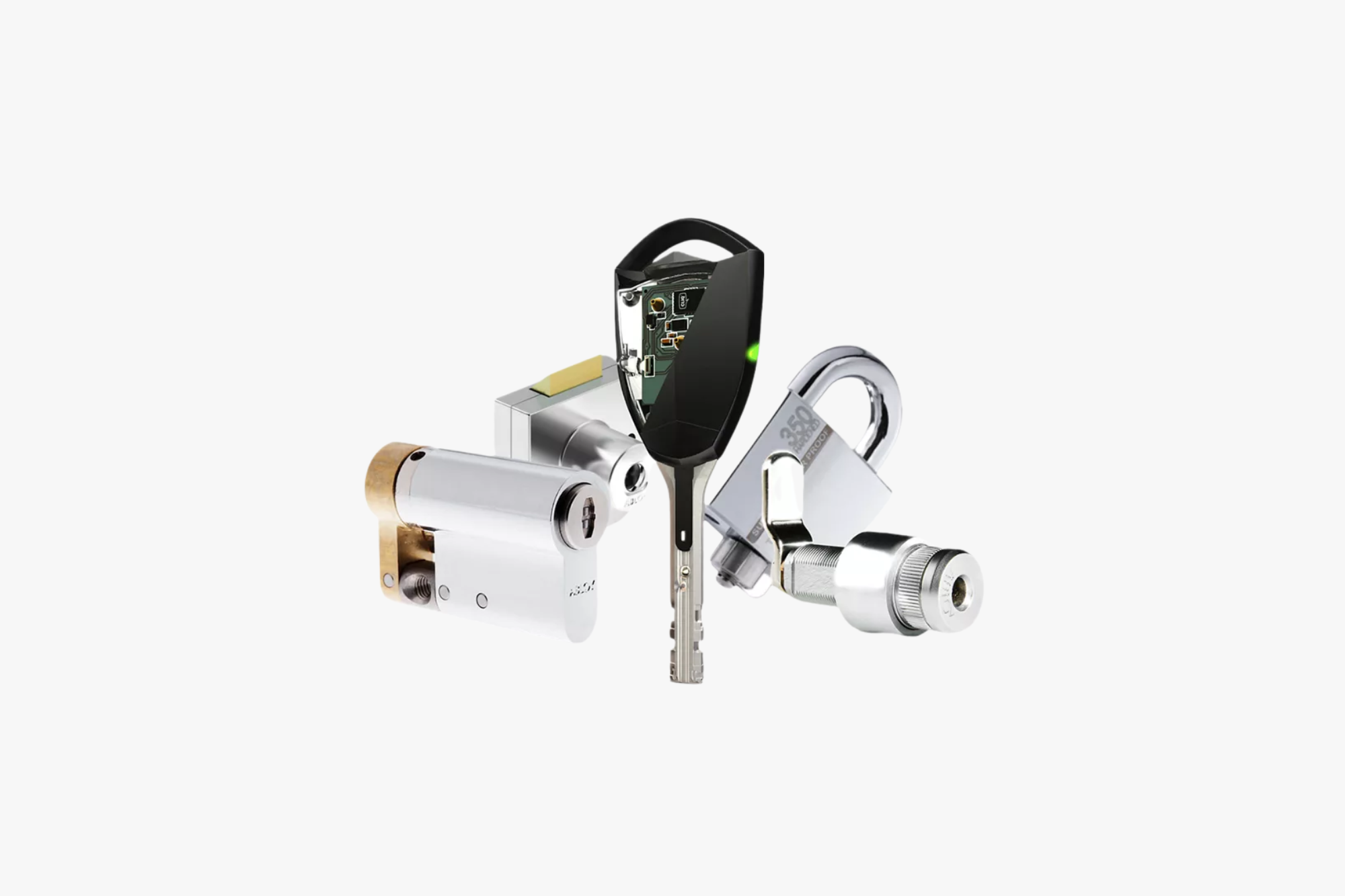
ABLOY PROTEC2 CLIQ
A high-security intelligent-key system combining ABLOY mechanical locking technology with electronic credential management and remote access control.
- Electronic credential verification
- Mobile-enabled key updates
- Remote access-right management
- Audit and usage tracking
- Supports distributed and remote assets
- Integrates with compatible PROTEC2 CLIQ systems
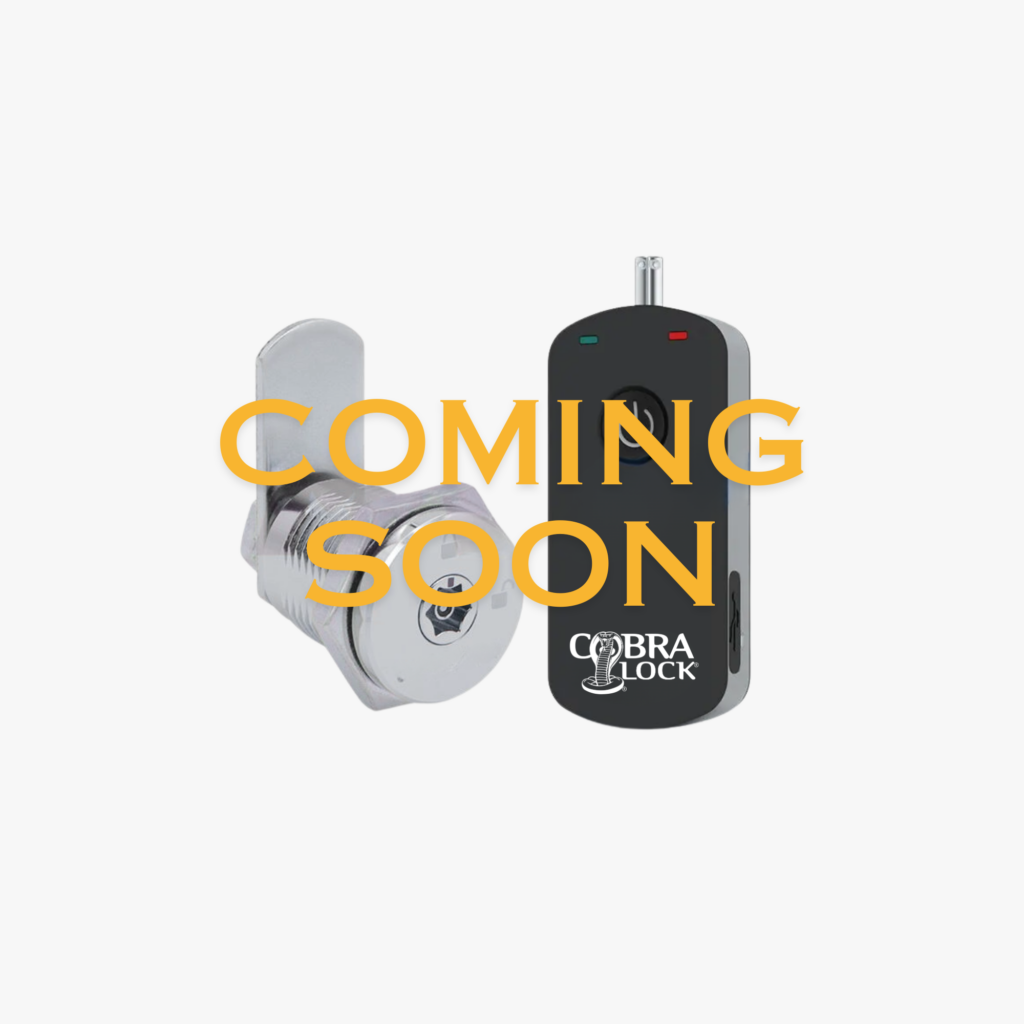
Cobra BLE
Cobra BLE brings mobile credentialing and Bluetooth access to cabinets, enclosures and OEM equipment, helping eliminate dependence on conventional mechanical keys.
- Bluetooth-enabled access
- Smartphone-based credentials
- Grant or revoke access without rekeying
- User-specific permissions
- Time-based access control
- Designed for cabinets, enclosures and OEM equipment
Move Beyond Traditional Key Control
Electronic locking adds visibility and flexibility to physical access without necessarily requiring a fully wired access-control system.
Control Access
Define which users can open specific locks and restrict access according to role, location or schedule.
Track Activity
Electronic audit trails help determine who accessed protected equipment and when the event occurred.
Respond Faster
Lost credentials can often be disabled or updated electronically rather than requiring physical rekeying.
Manage Remote Assets
Electronic keys and mobile credentials can support equipment distributed across multiple locations.
Retrofit Existing Equipment
Intelligent-key systems can add electronic control to applications where wiring is difficult or impractical.
Improve Accountability
Individual credentials make it easier to connect access events to specific authorized users.
Start With the Access Requirement
The best electronic locking system depends on how many users need access, where the locks are located, how often permissions change and what level of auditability the organization requires.
Some applications benefit from an intelligent key that powers the lock, while others are better suited to mobile Bluetooth credentials or hybrid mechanical-electronic systems.
Electronic Lock Selection Factors
- Number of users and secured locations
- Required audit and reporting capabilities
- Frequency of access-permission changes
- Wired vs. wire-free installation
- Indoor or outdoor environment
- Remote and distributed asset locations
- Mechanical key-system compatibility
- Mobile credential requirements
Where Electronic Locks Are Used
Electronic locking systems are particularly valuable where organizations need stronger accountability, rapidly changing permissions or access to geographically distributed assets.
OEM Equipment
Integrate managed electronic access into manufactured products.
Fuel Dispensers
Control service access to fuel equipment and sensitive components.
Utilities
Manage access to remote infrastructure and utility assets.
Facilities
Track and manage authorized access across campuses and buildings.
Transportation
Secure distributed equipment and operational assets.
Critical Infrastructure
Add accountability to sensitive operational access points.
Cabinets & Enclosures
Replace traditional keys with managed electronic credentials.
Government
Support controlled access and audit requirements for secure assets.
Electronic Lock Technology at a Glance
| System | Credential | Wiring | Audit Capability | Best Fit |
|---|---|---|---|---|
| Medeco XT | Intelligent electronic key | Lock powered by key | Yes | Remote assets, utilities, facilities |
| Medeco CLIQ | Electronic + mechanical key | Wire-free retrofit | Yes | Existing Medeco environments |
| ABLOY PROTEC2 CLIQ | Intelligent CLIQ key | Wire-free lock options | Yes | High-security and distributed infrastructure |
| Cobra BLE | Smartphone / mobile credential | Application dependent | Managed digital access | Cabinets, enclosures and OEM equipment |
Build Electronic Access Into the Equipment
For OEM manufacturers, electronic locking can become part of the product rather than an accessory added after installation. Locking Systems can help evaluate the lock format, credential technology, mounting requirements and access workflow.
This can provide equipment manufacturers with a more complete security solution while allowing end users to control and document access to the equipment.
OEM Integration Considerations
- Lock and equipment geometry
- Electronic credential technology
- User and administrator workflow
- Audit and reporting requirements
- Environmental exposure
- Power and battery requirements
- Deployment and support requirements
Build a Complete Access-Control Strategy
Electronic Access Without a One-Size-Fits-All System
Electronic locking is not a single technology. The right system depends on the asset, users, operating environment, key-management requirements and level of visibility the organization needs.
Locking Systems works across multiple mechanical and electronic technologies, allowing the solution to be selected around the application instead of forcing the application into one platform.
Support Beyond the Lock
- Electronic lock system selection
- Intelligent-key technology
- High-security electronic access
- Retrofit application support
- OEM electronic lock integration
- Multi-location security programs
- Mechanical and electronic security expertise
Frequently Asked Questions About Electronic Locks
What is an electronic lock?
An electronic lock uses an electronic credential or electronically controlled key to authorize access rather than relying only on a conventional mechanical key.
Do electronic locks require wiring?
Not always. Intelligent-key systems such as Medeco XT and CLIQ technologies can provide electronic access control without traditional wiring at each lock.
Can electronic locks provide audit trails?
Yes. Many intelligent-key and electronic locking systems record access events, helping organizations track which credential opened a lock and when.
What happens if an electronic key is lost?
Depending on the system, the credential can often be disabled or its permissions changed electronically, reducing the need to physically rekey every affected lock.
Can electronic locks be used outdoors?
Yes, when the selected lock and system are designed for the operating environment. Environmental exposure, temperature and moisture should all be considered during system selection.
Can electronic locks be used on existing equipment?
Many electronic and intelligent-key systems are designed for retrofit applications, allowing organizations to add electronic access control without replacing the entire piece of equipment.
Find the Right Electronic Locking System
Explore electronic locking options through LSI Depot, or contact Locking Systems for help choosing the right credential technology, audit capability and deployment approach for your application.